
When confronted with the incredible challenges and crises that our communities endure, the immense resilience and unwavering dedication of first responders become abundantly clear. Every day, these heroic men and women put themselves on the line, facing unimaginable dangers to protect and serve us. Yet, behind every swift recovery from a natural disaster, every life saved from a burning building, and every criminal brought to justice, there is a network of dedicated volunteers who stand alongside these first responders, amplifying their capabilities and extending their reach.
Volunteerism plays a pivotal role in supporting first responders, transforming chaotic scenes into organized, efficient missions and providing essential resources and comfort during critical times. Whether it's a volunteer fire department member who races to the scene of a fire, a Red Cross volunteer who sets up emergency shelters, or a community member who donates blood to ensure there's enough supply for emergency surgeries, volunteers are the unsung heroes who make it possible for first responders to do their jobs effectively.
The Role of Volunteers in Emergency Response
Volunteers in emergency response serve in a variety of capacities, from direct action roles like volunteer firefighters and emergency medical technicians to support roles like logistics coordinators and mental health counselors. Their contributions are multifaceted and indispensable. For instance, volunteer search and rescue teams often work alongside professional first responders in the aftermath of natural disasters, helping to locate and assist survivors in areas that might be too dangerous or inaccessible for larger, more cumbersome professional teams.
Volunteers also play a crucial role in disaster preparedness and community education. They conduct training sessions on first aid and CPR, organize community emergency response teams (CERTs), and help communities develop and practice emergency plans. This proactive approach not only enhances the community's resilience but also reduces the burden on professional first responders by ensuring that communities are better prepared to handle emergencies independently.
Providing Essential Support and Resources
Beyond direct emergency response, volunteers provide essential support and resources that are often overlooked but are critical to the success of first responders. This includes everything from providing meals and refreshments to first responders during extended operations to managing donation drives for necessary equipment and supplies. Volunteers also play a significant role in fundraising, helping to secure the financial resources needed for training, equipment, and other operational needs.
In many communities, volunteers also serve as a bridge between first responders and the public, helping to communicate important safety information and emergency protocols. This not only helps to keep the public informed and safe but also helps to build trust and understanding between communities and their first responders.
The Emotional and Psychological Support Volunteers Provide
The emotional and psychological toll of first responder work is immense. Volunteers who provide emotional and psychological support to first responders are, therefore, performing an invaluable service. This can take many forms, from peer support programs and mental health counseling to simply being there to listen and offer a word of encouragement. Volunteers who serve in these capacities help to mitigate the risk of burnout and post-traumatic stress disorder (PTSD) among first responders, ensuring that they can continue to serve their communities effectively.
The Impact of Volunteer Organizations
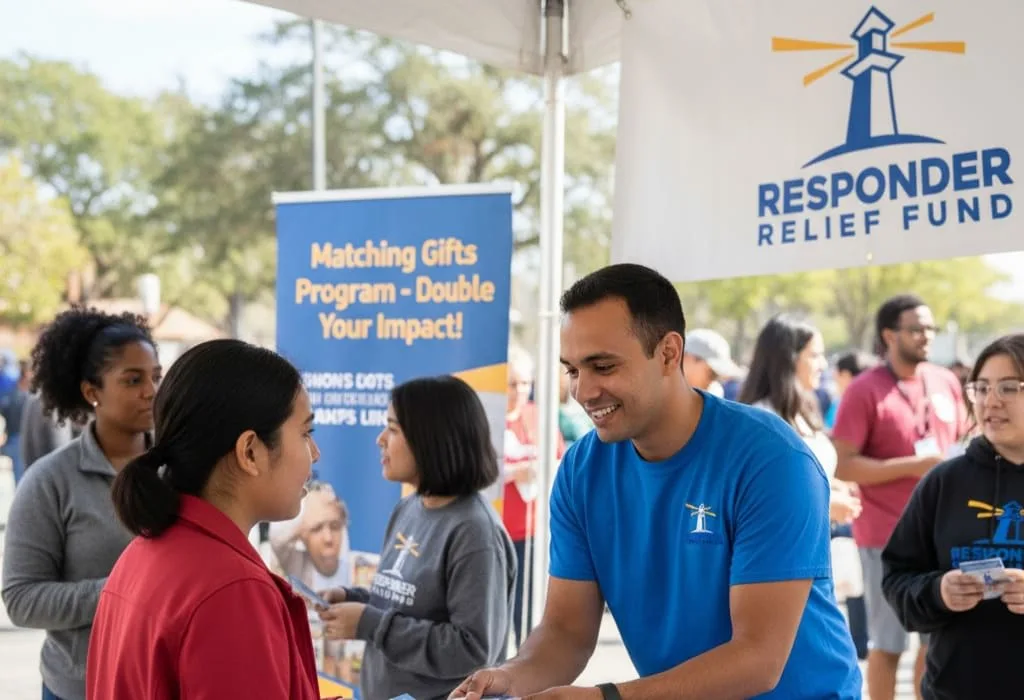
Organizations like the Responder Relief Fund play a crucial role in supporting first responders and their families. By providing financial assistance to first responders in need, these organizations help to alleviate some of the financial stress that can come with the job, allowing first responders to focus on their work without the added burden of financial worry. This kind of support is essential for maintaining the morale and effectiveness of first responders.
Volunteer organizations also provide a range of other services, from community education and outreach to advocacy for better resources and support for first responders. By working together, these organizations and their volunteers are able to make a significant impact on the lives of first responders and the communities they serve.
How You Can Get Involved
There are many ways to get involved in supporting first responders through volunteerism. Whether it's joining a volunteer fire department, training to become an emergency medical technician, or simply donating to an organization like the Responder Relief Fund, every contribution makes a difference. Here are a few steps you can take to get started:
- Research volunteer opportunities in your community, such as volunteer fire departments, search and rescue teams, or community emergency response teams.
- Consider donating to organizations that support first responders, like the Responder Relief Fund, which provides financial assistance to first responders in need.
- Participate in community education and outreach programs to help your community become more resilient and better prepared for emergencies.
- Advocate for better resources and support for first responders in your community, including mental health services and financial assistance programs.
By getting involved in volunteerism, you can make a real difference in the lives of first responders and help to ensure that they have the support they need to continue serving our communities effectively. Remember, every act of volunteerism, no matter how small, contributes to the larger effort to support and honor our first responders.