
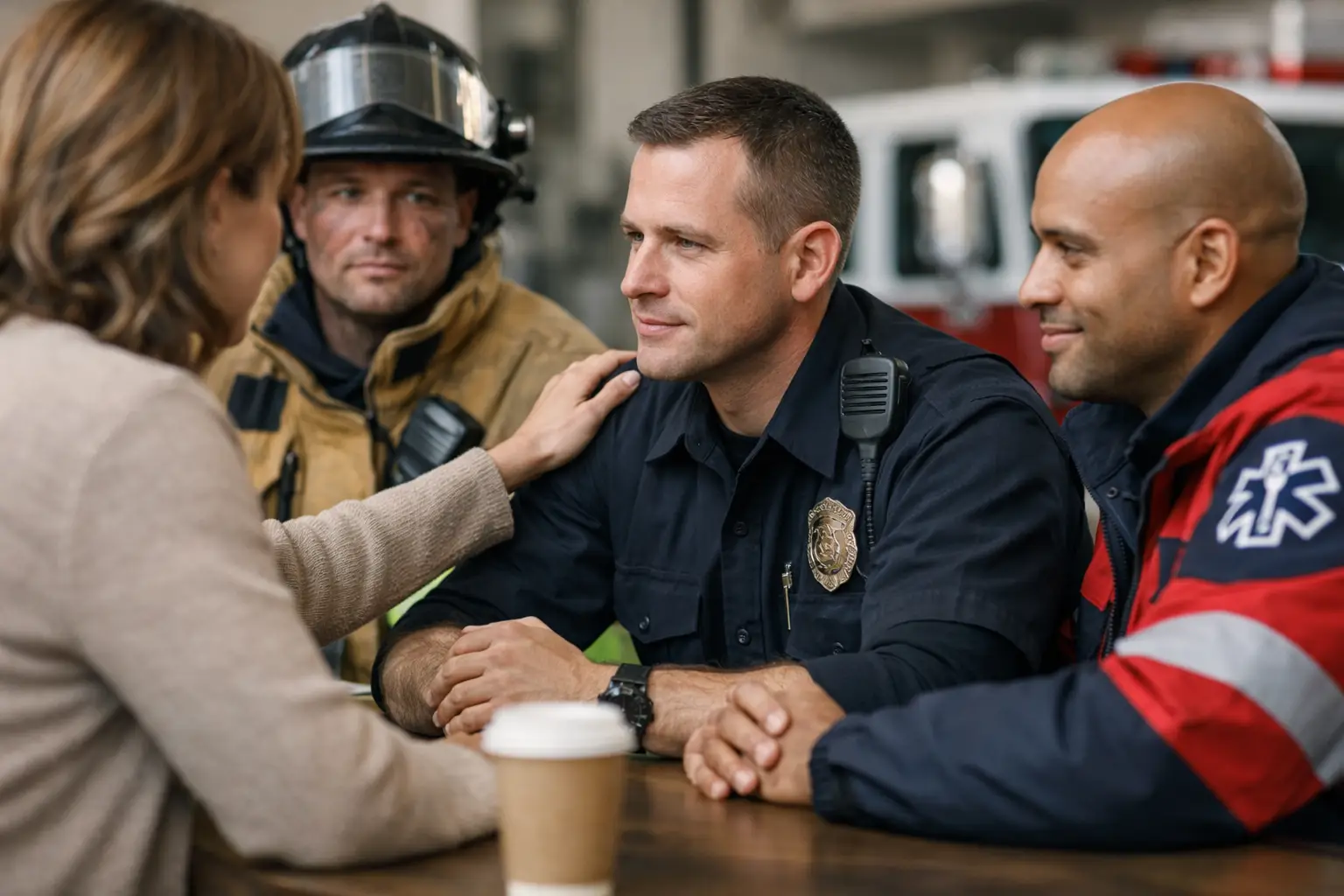
A medical emergency, line-of-duty injury, house fire, or sudden death does not wait for paperwork to clear or a paycheck to catch up. When a first responder or family member is in crisis, nonprofit help for first responders can mean the difference between falling behind and getting stable again quickly, privately, and with dignity.
For many families, the hardest part is not knowing what kind of help exists or whether asking for it will create more stress. For donors, the challenge is different but just as real. They want to give where support moves fast, reaches verified needs, and respects the people it serves. In both cases, the standard is the same: aid should be immediate, credible, and human.
What nonprofit help for first responders actually includes
The phrase can sound broad, but in practice it usually refers to targeted emergency assistance for urgent financial needs. That may include funeral expenses after a sudden loss, emergency medical bills after an injury or illness, temporary housing when a home becomes unsafe, or travel costs tied to treatment, caregiving, or family emergencies.
The best support is not one-size-fits-all. A firefighter recovering from surgery may need short-term help with bills while income is disrupted. An EMT's family may need travel support to stay close during a medical crisis. A police officer facing a sudden housing displacement may need immediate relief before insurance or other resources catch up.
Support can also include vetted referrals. Not every need is solved with a grant alone. Families may need help understanding what other nonprofit, local, or employer-based resources are available. A trusted referral can reduce delays and keep people from wasting energy on dead ends while they are already under strain.
Why speed and confidentiality matter so much
First responders are used to being the steady ones in a bad moment. Asking for help can feel unfamiliar, and for some, deeply uncomfortable. That is why confidentiality is not a side benefit. It is part of what makes assistance usable.
In a crisis, people need room to protect their privacy, preserve their dignity, and focus on the next necessary step. A confidential process can make it easier for families to ask for support before a short-term emergency becomes a long-term financial problem.
Speed matters for obvious reasons, but it is worth stating clearly. Emergency bills do not pause. Hotel costs add up night by night. Travel for medical care often must be booked immediately. Funeral expenses come at one of the worst possible times. Fast relief does more than cover costs. It buys breathing room, which is often the first step toward recovery.
What first responders and families should look for in a nonprofit
Not every organization is built for emergency response. Some nonprofits focus on scholarships, wellness programming, advocacy, or long-term recovery. Those services can be valuable, but they are different from rapid financial relief.
When evaluating a nonprofit, it helps to ask a few practical questions. Does the organization clearly state what expenses may qualify? Does it explain how applications are reviewed? Is the process designed to move quickly when urgency is high? Are referrals vetted, or are families being sent to sort through options on their own?
Transparency is another sign of trustworthiness. Families should be able to understand what the organization can and cannot do. A credible nonprofit does not promise everything to everyone. It explains its scope, responds with clarity, and treats applicants with respect even when needs fall outside its program.
How donors can evaluate nonprofit help for first responders
For donors and foundations, the question is not simply whether the cause is worthy. It is whether the organization can deliver meaningful aid in a disciplined, accountable way.
A strong emergency assistance nonprofit usually has a clear mission, a defined applicant population, and a transparent approach to urgent needs. Donors should be able to see where support goes in concrete terms: funeral assistance, medical expense relief, temporary housing, emergency travel, and trusted referrals when additional support is needed.
Operational clarity matters just as much as emotional appeal. A nonprofit serving first responders in crisis should have a process for verifying need, protecting confidentiality, and moving funds without unnecessary friction.
The role of trusted emergency grants
Emergency grants play a unique role because they address the immediate gap that many systems cannot fill in time. Insurance reimbursements may come later. Employer benefits may require processing. Family savings may already be stretched thin. A fast grant can bridge those hours or days when a family has no good options left.
This is where mission-driven nonprofits make a practical difference. They are often able to respond with urgency while still maintaining review standards, and that combination matters. Fast aid without oversight can create risk. Oversight without urgency can miss the moment when help is most needed.
Organizations such as The Responder Relief Fund exist to meet that gap with immediate, confidential financial relief and vetted support referrals for first responders and their families. That model reflects what effective crisis assistance should look like: focused, respectful, and built around real-world urgency.